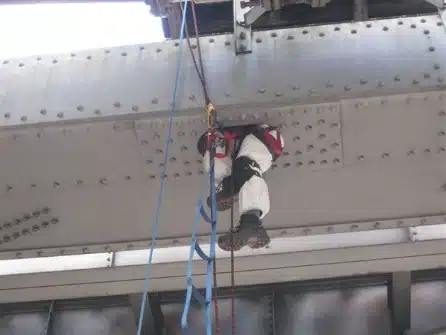
Confined Space Installations
Avoid exposure to confined space risks altogether. Delegate work tasks to a Confined Space technician who’ll get in and get the job done for you.
Popular installations
Our Height Safety System Inspectors can inspect existing roof access, fall arrest and/or fall protection system across a range of sites (commercial, industrial, infrastructure).
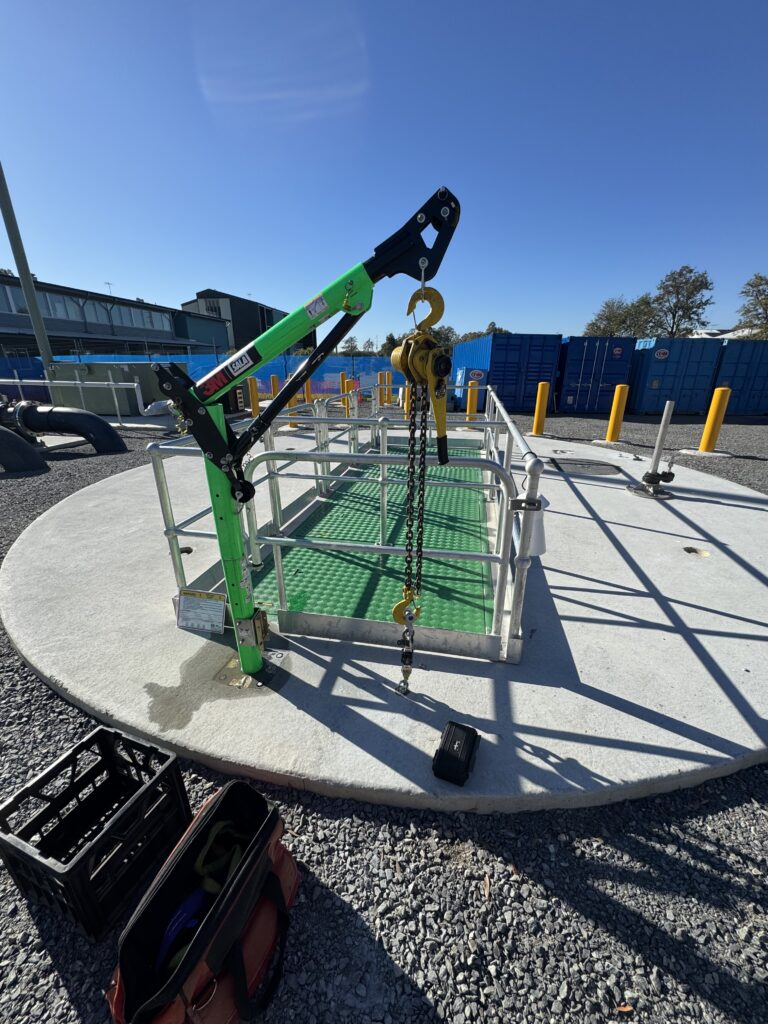
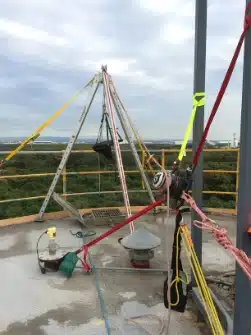
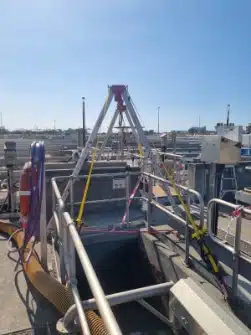
Confined Space Davit Systems
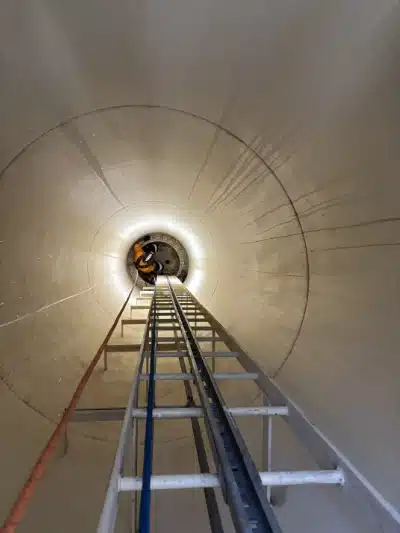
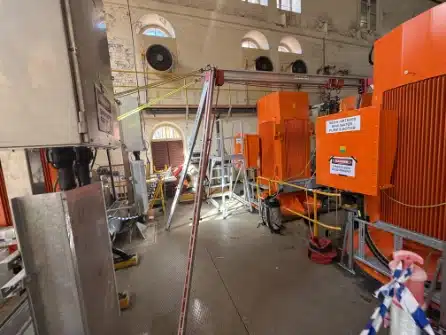
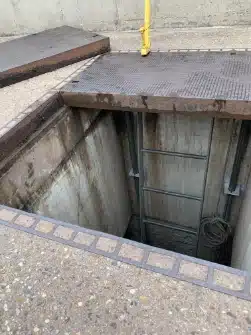
Confined Space Ladder Systems
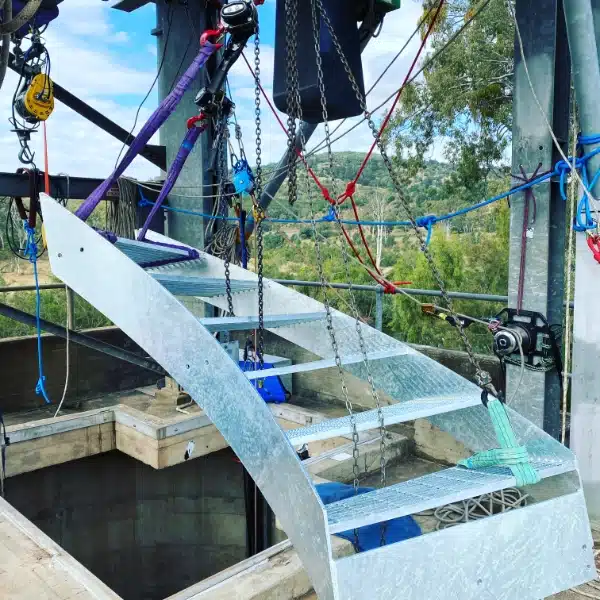
Confined Space Stair Systems
Five steps to a fully-compliant installation
We follow the same trusted 5-step process for every worksite and every job — no matter how big or small.
- Site Visit
- Design & Costing
- Project Activation
- Installation
- Certification
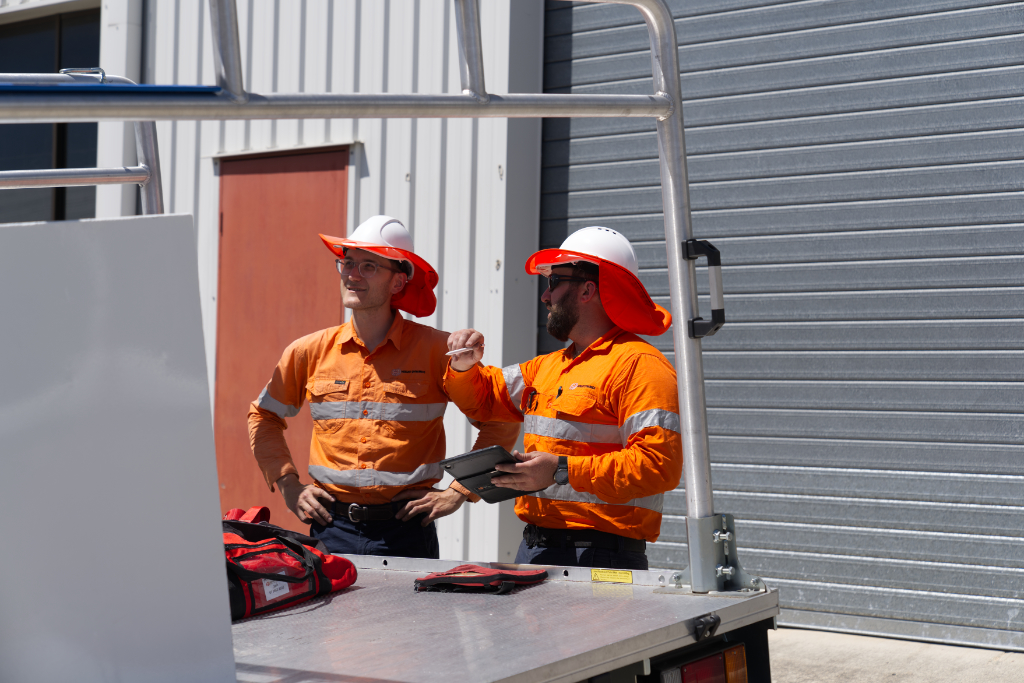
Site Visit
Site Visit Attend installation site, discover access needs and document user requirements
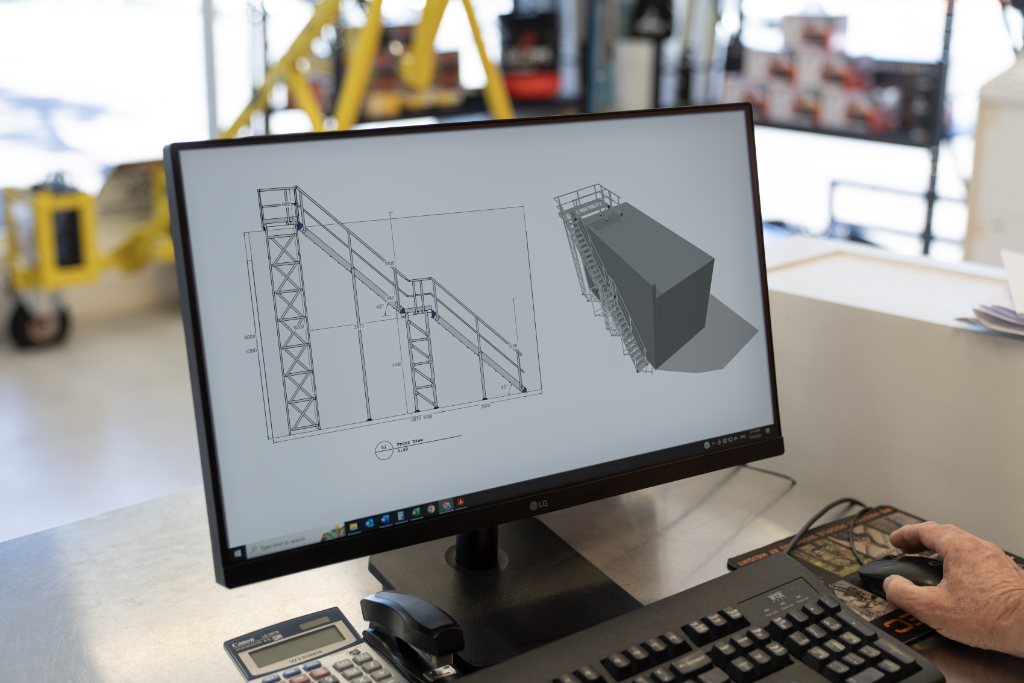
Design & Costing
Design & Costing Fully-costed, fit-for-purpose system design, layout and components
Project Activation
Design and costs approved, project awarded, pre-installation planning
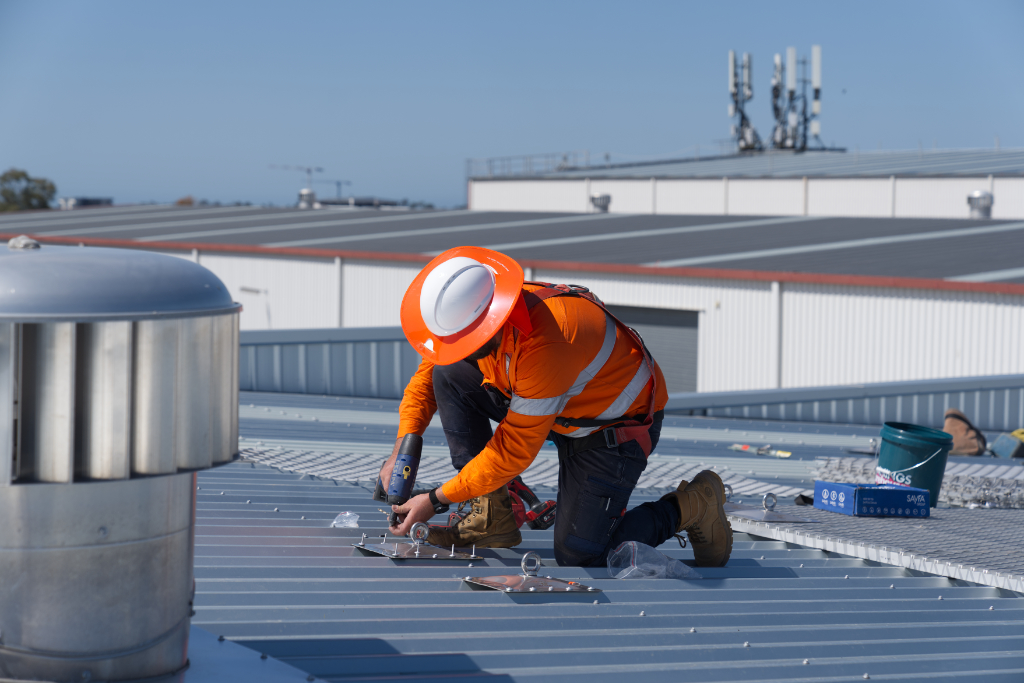
Installation
Turn-key system that meets industry legislation, standards and codes of practice
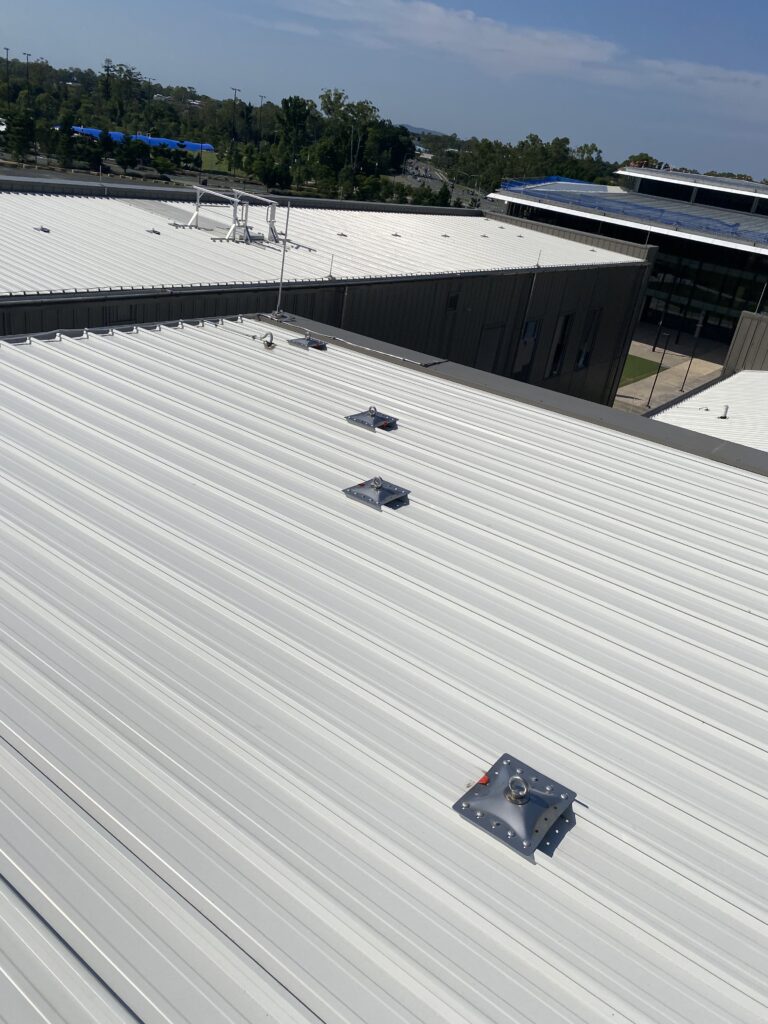
Certification
System certified and tagged, compliance documentation issued
1 Site Visit
Attend installation site, discover access needs and document user requirements
2 Design & Costing
Fully-costed, fit-for-purpose system design, layout and components
3 Project Activation
Design and costs approved, project awarded, pre-installation planning
4 Installation
Turn-key system that meets industry legislation, standards and codes of practice
5 Certification
System certified and tagged, compliance documentation issued
Know your Confined Spaces
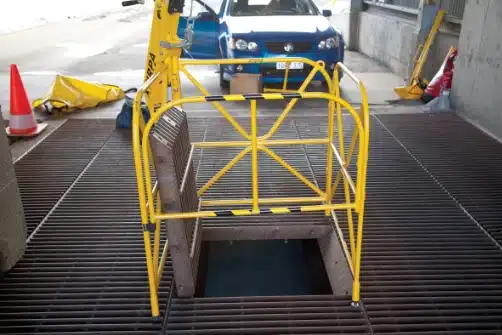
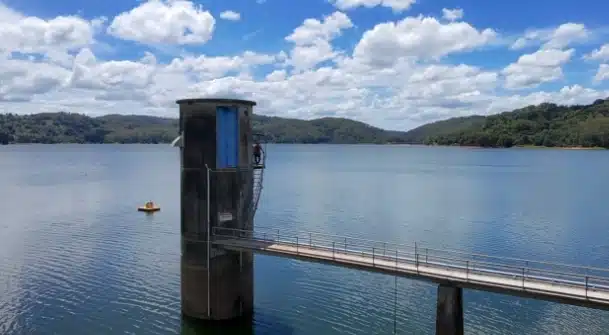
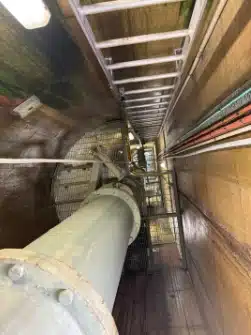
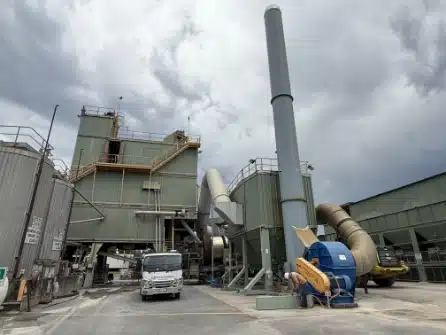
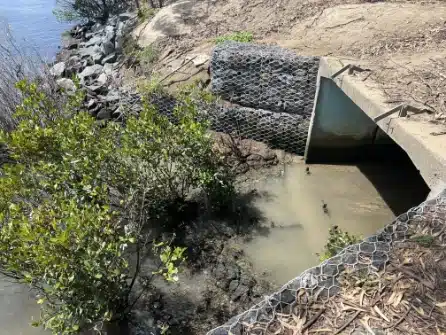
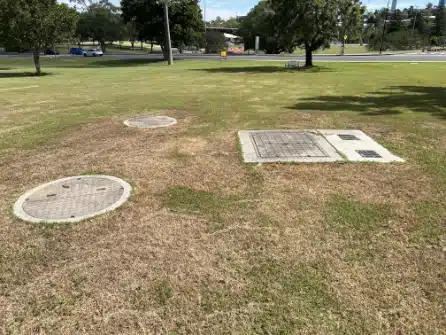
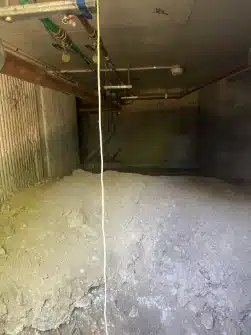
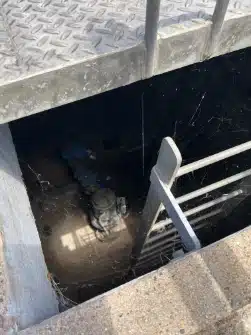
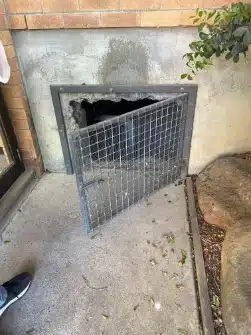
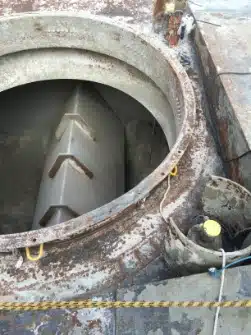
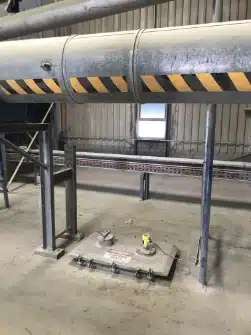
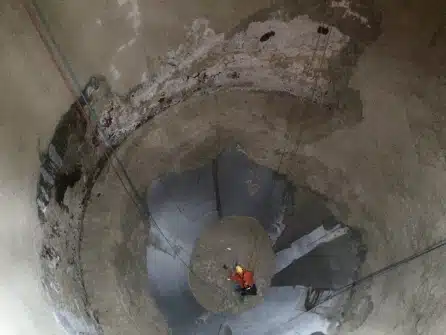
Confined space environments are found on a wide range of sites (commercial, construction, industrial, infrastructure). Common examples include storage tanks, silos, pressure vessels, pipes, tunnels, sewer systems, wet and dry wells.
How to identify a confined space
Under the Safe Work Australia model and Australian Work Health and Safety Regulation 5, the defining criteria of a confined space are:
- Either fully or partially enclosed; and
- Not designed primarily for human occupation; and
- Designed to be at a normal atmospheric pressure; and
- Contains at least one of the following health and safety hazards:
- an atmosphere with unsafe oxygen levels
- a contaminant (gases, vapours, dusts) that may cause injury from fire or explosion
- harmful concentrations of an airborne contaminant
- the potential for engulfment